Snowman’s field guide · Southwest Kansas
Beekeeping, then & now
Beekeepers have been learning from bees for generations. Here are a few changes in how we keep them.
Historical and modern equipment illustrations. Tap an image for a closer look.
Explore beekeeping Choose a topic
Long before the modern hive
Working with fixed comb
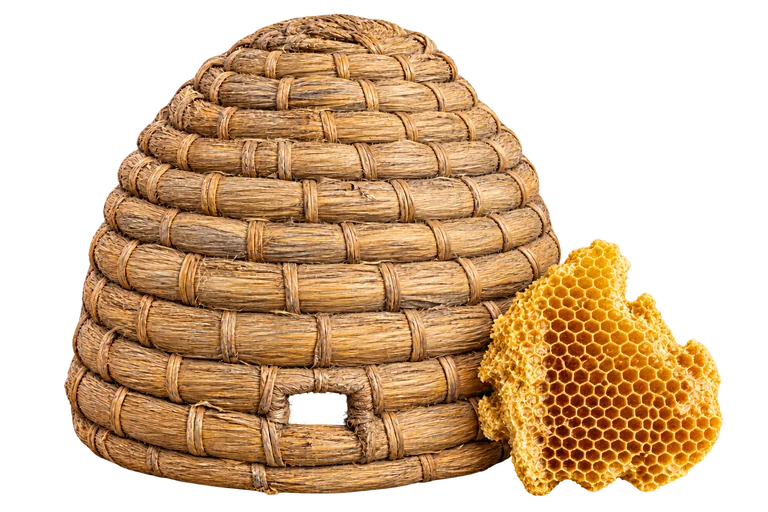
Beekeepers used containers such as pottery, woven skeps, wooden boxes and hollow logs. Comb fixed to the container was difficult to remove and inspect. Harvesting and examining a colony were very different from lifting individual frames today.
The 1600s
Honey bees arrive in colonial North America
The western honey bee, Apis mellifera, is not native to the Americas. Historical records describe honey bee colonies shipped from England to Virginia in 1622. Native bees and other pollinators were already here; honey bee history is only one part of pollinator history.
The nineteenth century
Movable frames change the work
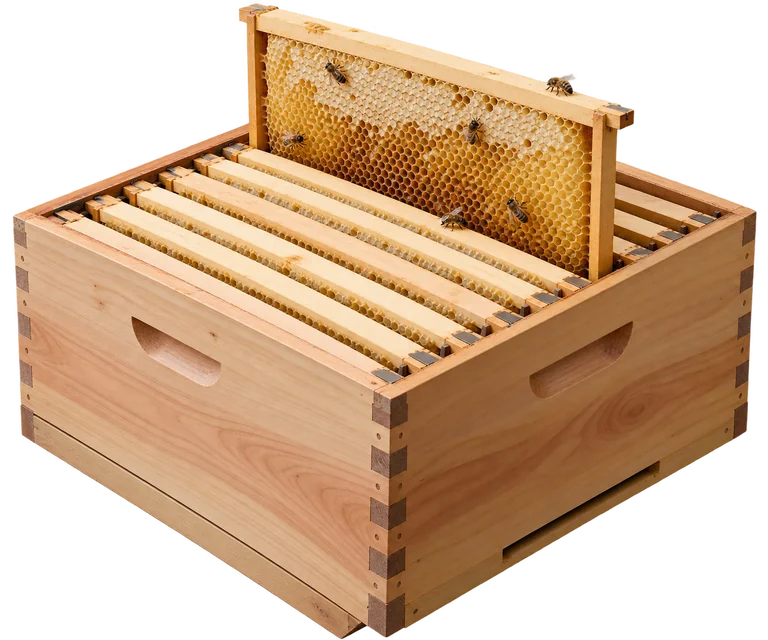
Movable-comb equipment made it possible to examine brood and food without cutting the entire nest apart. This helped make regular colony inspection and modern honey handling practical.
1987 onward in the United States
A new parasite changes the routine
Varroa’s arrival in the United States in 1987 added a major challenge. Modern care must account for mites and the viruses associated with them, alongside nutrition, pesticide exposure and other stresses. A colony can look busy while its health is deteriorating.
Today at Snowman’s Apiary
Keeping bees at Snowman’s Apiary
My dad and I began keeping bees together in North Carolina, and I now carry that work forward in Liberal, Kansas. The weather and forage are different here, so I’ve had to learn what works for my bees in Kansas.
Read my story →Educational guide · Updated October 21, 2026.
Observe your own colony and local conditions. For diagnosis or treatment decisions, use qualified local advice and the current product label.